It is one of the most frustrating first-world jewelry problems: you invest in a stunning, delicate chain bracelet only to find that every time you look down, the beauty is hidden.
Gravity is a cruel mistress in the world of jewelry. Because the decorative element (the motif) is usually heavier than the clasp, the laws of physics dictate that the motif will eventually rotate toward the palm, leaving the world to stare at your lobster claw or spring ring.
At Oriaku, we believe jewelry should be seen, not just felt. If you’re tired of the clasp-flip, it might be time to consider the transition from fluid bracelets to structured bangles. Today, we’re breaking down the physics, the aesthetics, and the lifestyle impact of this wrist-wear war.
1. Why Your Bracelet Hates You
The reason your VCA single motif or station bracelet always ends up under your wrist is simple balance and weight distribution.
Most chain bracelets are built with a weighted center (the gemstone or motif) and a light closure. Because your wrist is constantly moving, the heavier part naturally seeks the lowest point of gravity. Unless the bracelet is fitted so tightly it restricts blood flow (not recommended!), it will rotate.
-
The Frustration Factor: Research into consumer jewelry ergonomics suggests that users touch and reset a rotating bracelet an average of 12 to 15 times per day. That’s a distraction!
-
The Bangle Solution: Because a bangle is a solid, continuous loop it sits on the wrist bone in a way that limits rotation. An oval shape mimics the natural anatomy of the wrist, ensuring the design stays on top where it belongs.
2. The Case for Bangles: Architecture for the Arm
Switching to a bangle-only lifestyle is a favorite move for those who value visual consistency.
Pros:
-
Constant Visibility: Whether you’re typing on a laptop or holding a glass of champagne, the design remains visible.
-
Stacking Synergy: Bangles are the kings of the arm party. They don’t tangle or knot like chains do. You can stack three or four without them becoming a chaotic mess.
-
Durability: Solid gold or high-quality vermeil bangles often withstand daily wear better than delicate 1mm chains, which are prone to snapping if they catch on a sweater or a bag strap.
Cons:
-
The Clank: Bangles make noise. If you work in a quiet office or hate the sound of metal hitting a desk, this can be a dealbreaker.
-
Fit Challenges: Traditional round bangles can be difficult to get over the hand but then feel too loose on the wrist.
-
Weight: They are generally heavier and more expensive because they require more metal than a thin chain.
3. The Case for Bracelets: Fluidity and Comfort
There is a reason the chain bracelet has remained a staple for centuries: it moves with you.
Pros:
-
The Second Skin Feel: A lightweight chain bracelet is so comfortable you can sleep, shower, and exercise in it without noticing it’s there.
-
Adjustability: Most bracelets come with extender chains, making them a safer gift or purchase if you aren’t sure of your exact millimeter wrist size.
-
Delicacy: If your aesthetic is hyper-feminine, the drape of a gold chain is hard to replicate with a rigid bangle.
Cons:
-
The Rotation Struggle: As mentioned, the clasp-up look is almost inevitable.
-
Tangling: If you wear multiple chain bracelets, they will eventually wrap around each other, potentially causing scratches or knots.
4. Data Comparison: Which is Right for You?
| Feature | Chain Bracelet | Solid Bangle |
| Visibility | Low (Rotates frequently) | High (Stays in place) |
| Comfort | High (Fluid and light) | Medium (Can be heavy/noisy) |
| Durability | Medium (Risk of snapping) | High (Structural integrity) |
| Style Profile | Delicate, casual, boho | Architectural, bold, luxury |
| Stacking | Prone to tangling | Best for stacking |
5. The Middle Ground
If you love the look of a bracelet but hate the rotation, consider these 2026 jewelry trends that solve the problem:
-
The "Tennis" Bangle: A rigid bangle that features stones all the way around. Even if it rotates, there is no "back" to hide.
-
Oval Hinged Bangles: These are the gold standard for ergonomics. Because they aren't perfectly round, they "lock" into place on the flatter part of your wrist, keeping the motif centered.
-
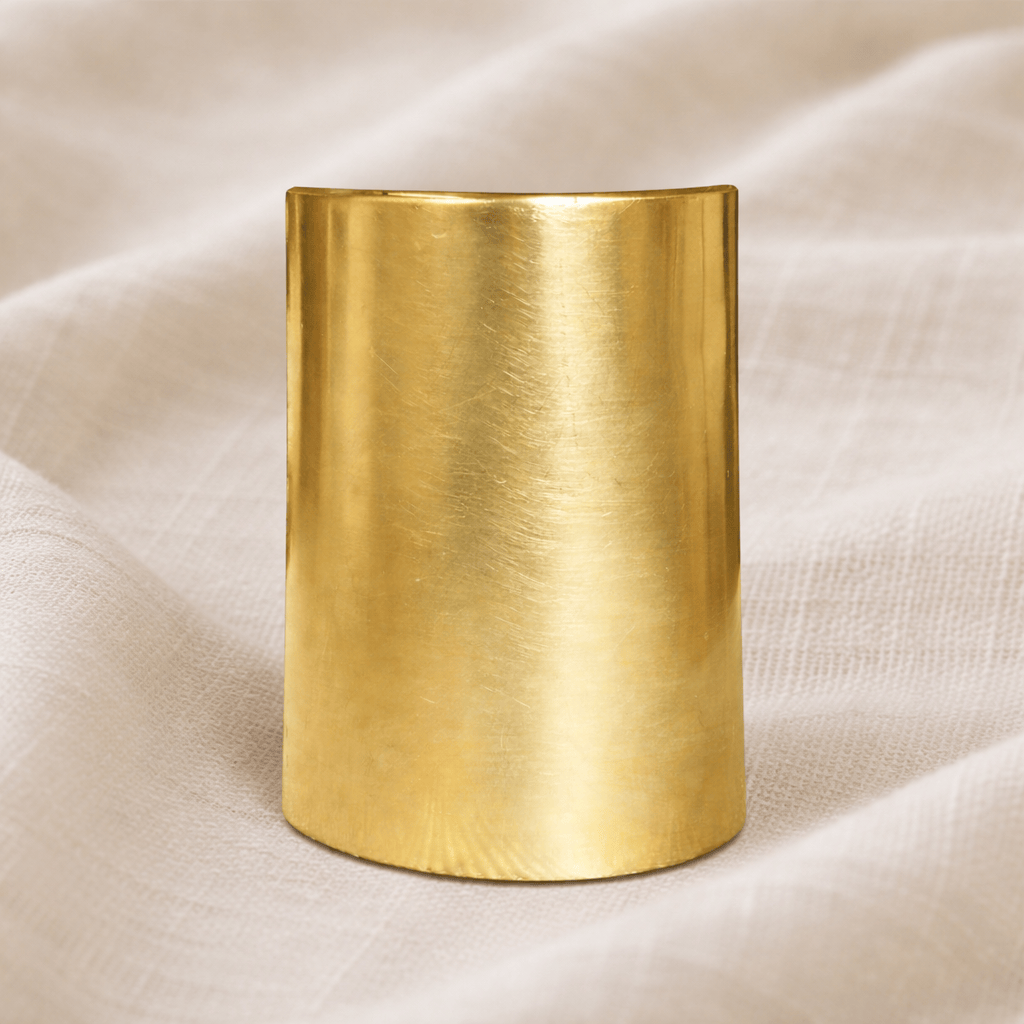
Cuff Bracelets: These have an opening at the bottom. They stay put better than chains but offer a more modern, edgy look than a traditional bangle.
FAQ Section
Q: How do I stop my bracelet from flipping?
A: To minimize flipping, have a jeweler shorten the chain for a snug fit. The less slack the chain has, the less room it has to rotate. Alternatively, many collectors are now having motifs converted into cuffs or fixed-bangle styles.
Q: Are bangles better for small wrists?
A: Yes, provided you choose an oval-shaped bangle. Round bangles often look too large and "swamp" a small wrist, whereas an oval bangle follows the natural silhouette of the arm.
Q: Can I wear bracelets and bangles together?
A: Absolutely. This is known as mixed-texture stacking. A rigid bangle provides a base that can actually help hold a chain bracelet in place, reducing its movement.
The Oriaku Recommendation
At the end of the day, jewelry should be effortless. If you find yourself constantly adjusting your wrist every five minutes, your jewelry is wearing you.
Ready to upgrade your wrist game? Explore the Oriaku collection of ergonomic, high-craft bangles designed to stay exactly where they belong.