In the time it takes you to read this sentence, thousands of garments have been uploaded to ultra-fast fashion platforms like Shein and Temu. What was once a seasonal industry has transformed into a real-time digital machine, churning out micro-trends that expire before the package even arrives at your door.
At Oriaku, we believe that fashion is an enduring dialogue between the wearer and the world. But that dialogue is being drowned out by a $1.86 trillion industrial complex that prioritizes volume over value and speed over soul. Today, we’re looking past the $5 price tags to examine the scientific, environmental, and human costs of the fast fashion epidemic.
1. 100 Billion Garments and Counting
The sheer scale of modern garment production is staggering. According to industrial data for 2025 and 2026, the world now produces over 100 billion items of clothing annually. To put that in perspective, that is roughly 13 new pieces of clothing for every person on the planet, every single year.
This is a 400% increase from the production levels of the year 2000. While production has skyrocketed, our attachment to our clothes has plummeted. The average consumer now buys 60% more clothing than they did two decades ago, yet they keep those items for half as long.
The Landfill Crisis
Where do these 100 billion garments go? The data is grim:
-
92 million tonnes of textile waste are generated every year.
-
Over 54% of all discarded clothing ends up in landfills or is burned in uncontrolled waste-to-energy incinerators.
-
In the Atacama Desert in Chile, mountains of unsold, unworn fast clothes have grown so vast they are now captured by satellite imaging. These are not just rags, they are chemically-treated synthetic materials that will take centuries to decompose.
2. The Microplastic Plague
If you look at the tag of a garment from an ultra-fast fashion brand, you will likely see 100% Polyester. While it sounds like fabric, polyester is essentially a plastic polymer derived from petroleum. Specifically, it is Polyethylene Terephthalate (PET), the same material used to make soda bottles.
The Laundry Leak
Every time you wash a synthetic garment, it sheds microfibers, tiny plastic threads less than 5mm in length. Scientific research published in late 2025 by the Changing Markets Foundation has revealed a terrifying paradox: recycled polyester can be more harmful than virgin polyester.
- Recycled fibers are often more brittle, shedding 55% more microplastic particles during a standard wash cycle.
-
A single laundry load can release upwards of 900,000 microplastic fibers into the wastewater system.
Environmental Bioaccumulation
These fibers are too small for most municipal filtration systems to catch. They flow directly into our oceans, where they account for approximately 35% of all primary microplastics. Once in the water, they are ingested by plankton, then fish, and eventually humans. Recent medical studies have detected these polyester microplastics in human blood, lung tissue, and even placentas, where they are linked to inflammation and endocrine disruption.
3. The Fast Jewelry Epidemic
The harm isn't limited to what we wear on our backs; it’s also what we wear on our wrists and necks. The rise of fast jewelry accessories sold for $1 to $3 has introduced a new layer of chemical risk to the consumer.
The Toxic Cocktail
In 2025, a landmark Nordic study found that 71% of products purchased from platforms like Shein and Temu contained hazardous substances that are strictly banned in most developed nations. The primary culprits are heavy metals:
-
Lead (Pb): Often used in coatings and alloys to add weight and stabilize dyes. Lead is a potent neurotoxin that can be absorbed through the skin, leading to cognitive impairment and reproductive issues.
-
Cadmium (Cd): A cheap substitute for more expensive metals. Cadmium is a known carcinogen (Group1 according to the IARC) and can cause kidney damage even at low levels of exposure.
-
Phthalates: Used to make plastic components flexible. These are forever chemicals known to disrupt hormones.
When you buy a $2 necklace, you are often buying industrial waste repackaged as an accessory. These items are designed for one-time wear, after which they tarnish, break, and end up in landfills where they leach these heavy metals into the groundwater.
4. The Degradation of Craft
It isn't your imagination that clothes are objectively worse than they used to be. To maintain the low prices demanded by the ultra-fast model, brands have engaged in a race to the bottom regarding technical quality.
The GSM Race
In the textile world, GSM (Grams per Square Meter) measures the density and durability of a fabric. Higher GSM typically means a longer-lasting garment.
-
Luxury/Standard: A high-quality cotton T-shirt usually sits between 180–220 GSM.
-
Ultra-Fast: These brands often use fabrics as low as 100–120 GSM. This is why fast fashion tops are often see-through and lose their shape after a single wash.
Rushed Construction
A garment worker in an ultra-fast fashion factory is often required to produce 1,000 to 2,000 pieces per day. To meet this quota, quality control is sacrificed. This results in:
-
Unfinished Seams: Threads that aren't backstitched, leading to immediate unraveling.
-
Cheap Dyes: The use of Azo dyes, which are faster and cheaper to apply but are carcinogenic and wash out quickly, polluting your local water supply.
5. The Death of Personal Style
Beyond the environmental and chemical damage, fast fashion is committing a cultural crime: it is killing personal style.
Fashion used to be about self-expression, finding a unique piece that resonated with your personality. Today, style is dictated by algorithms. Platforms like Shein use AI to track micro-trends in real-time. If a specific aesthetic goes viral on social media, they can have a design in production within three days.
This creates a homogenized aesthetic. When millions of people are buying the same top of the week from the same two apps, we stop being individuals and start being data points. We are buying because we are told to, not because the item means something to us.
6. The Path to Recovery: Reclaiming the Narrative
The era of disposable everything is reaching a breaking point. As we move through 2026, the conversation is shifting toward a Circular Economy. But what does that look like for you?
The "Rule of 30"
Before every purchase, ask yourself: "Will I wear this at least 30 times?" If the answer is no, it’s a burden on the planet.
Choose Materials with Integrity
-
Natural Fibers: Opt for organic cotton, linen, or hemp. These are biodegradable and don't shed microplastics.
-
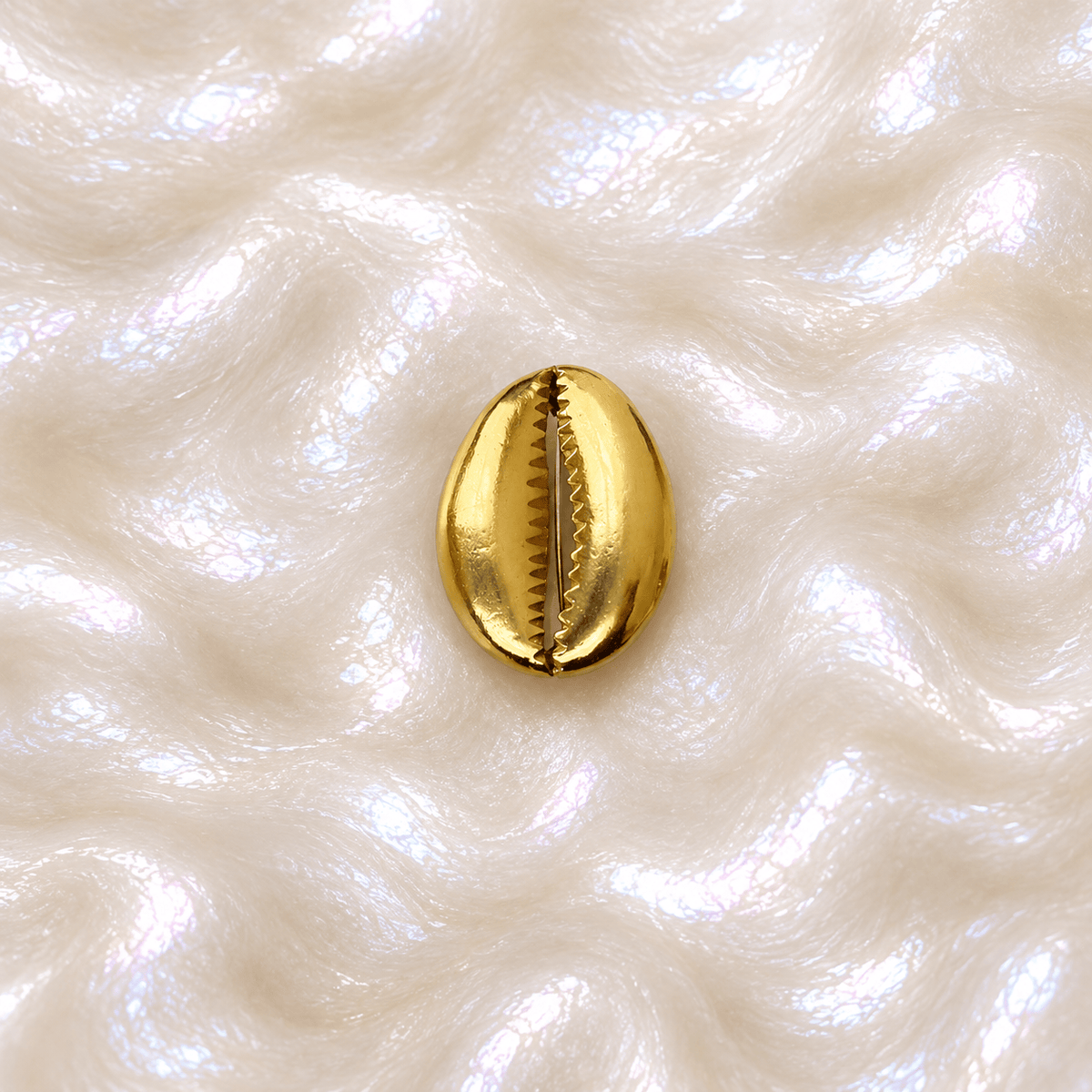
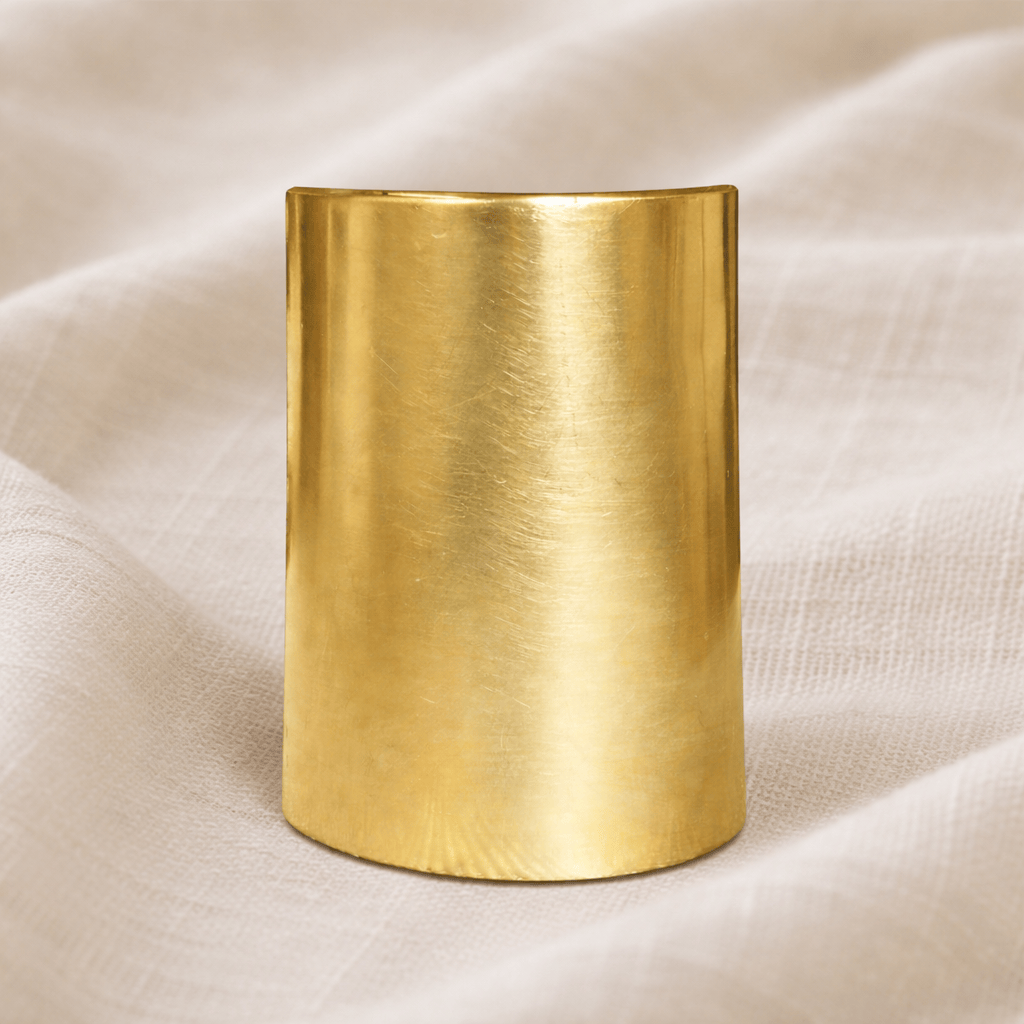
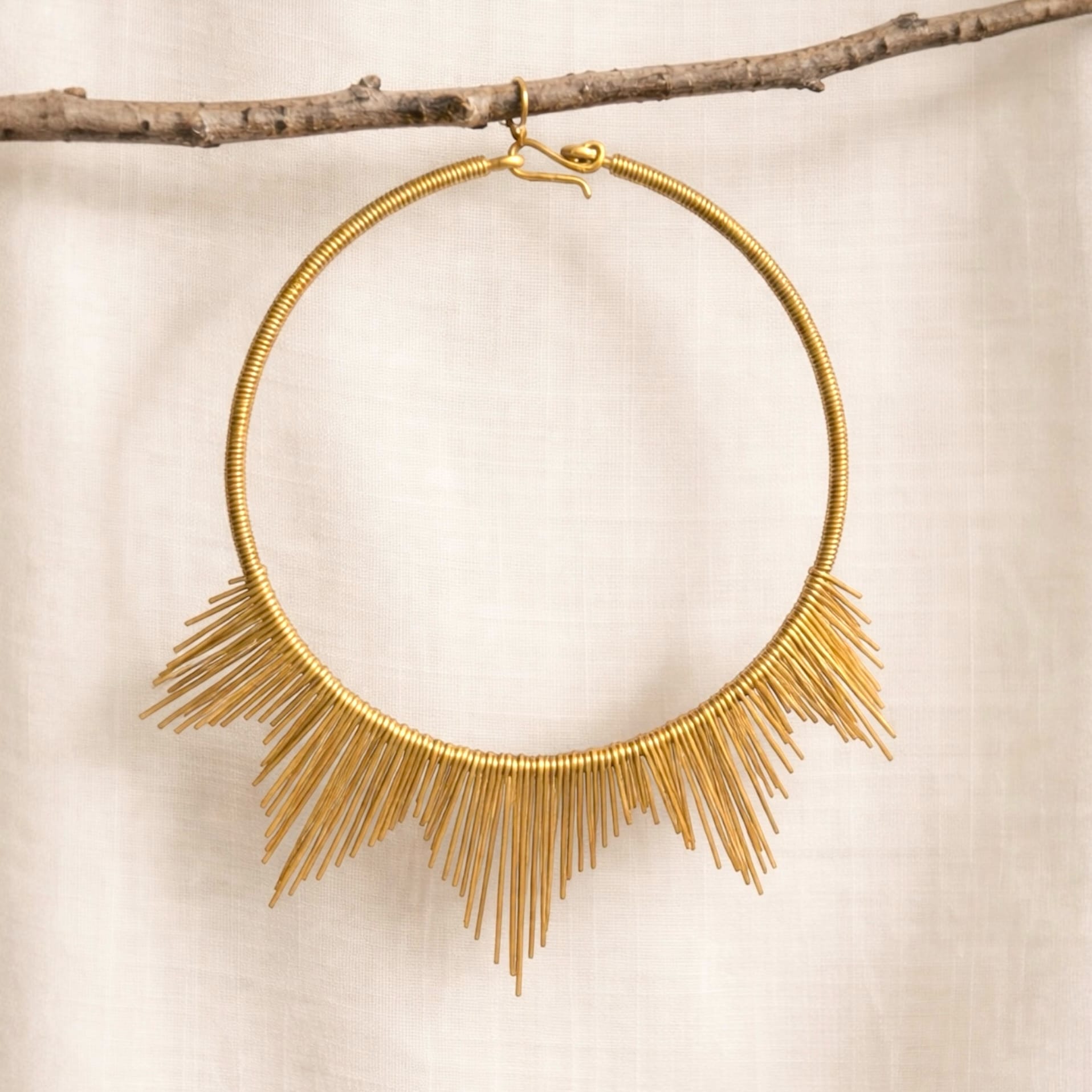
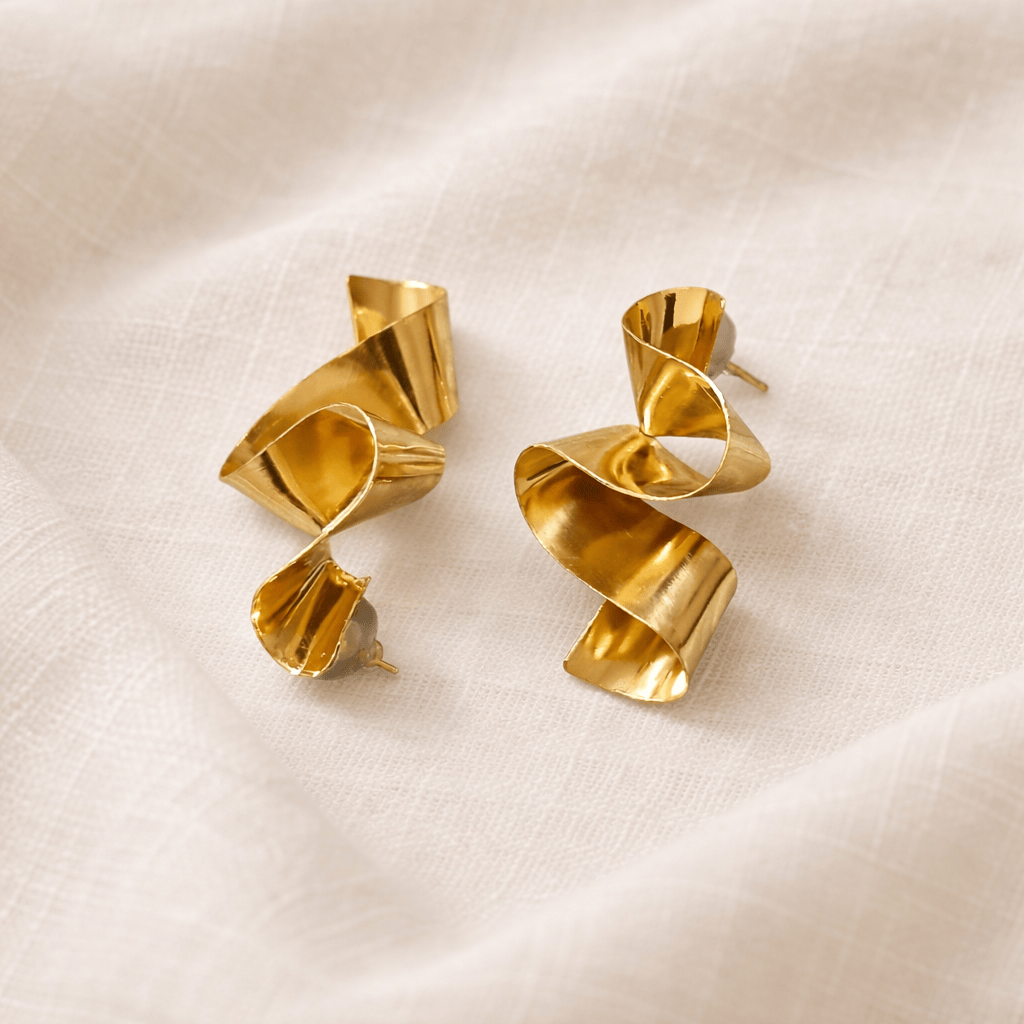
Sustainable Jewelry: Instead of mystery metals, look for 925 Sterling Silver or Gold-Filled pieces or just simply look into our catalog. These are durable, safer for your skin, and hold their value over time.
-
Repair and Curate: Learn to mend a loose thread. Find a local tailor. Invest in pieces that are designed to be repaired, not replaced.
The Bottom Line
At Oriaku, we believe that true luxury is the peace of mind that comes from knowing your style doesn't cost the Earth. The ultra-fast model is a house of cards built on environmental degradation and toxic shortcuts.
It's time to slow down. It's time to choose quality over quantity. It's time to remember that what we wear is a reflection of who we are and none of us are disposable.